
About the Project
Proposed Site Plan and Project Details
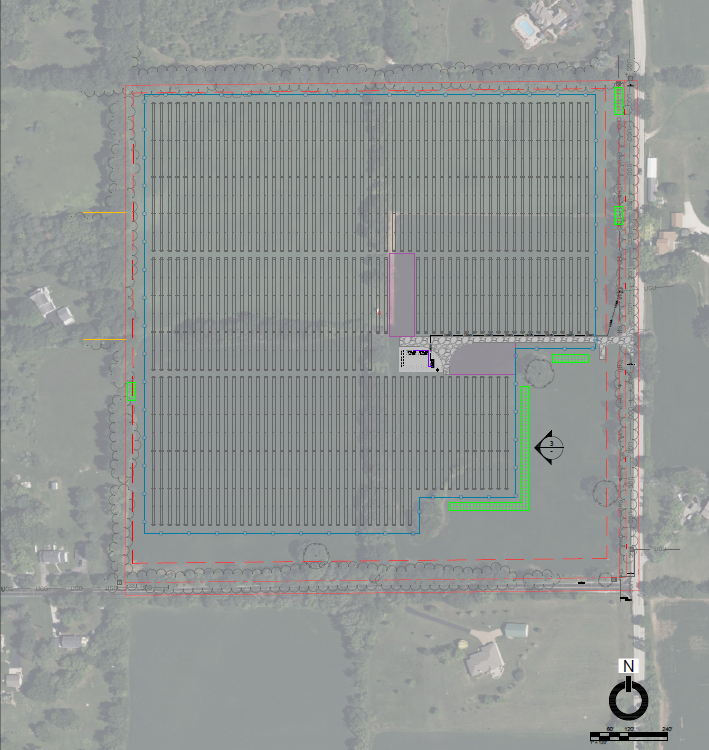
Project Overview
Spring Lake Solar is located within the Town of Mukwonago in Waukesha County.
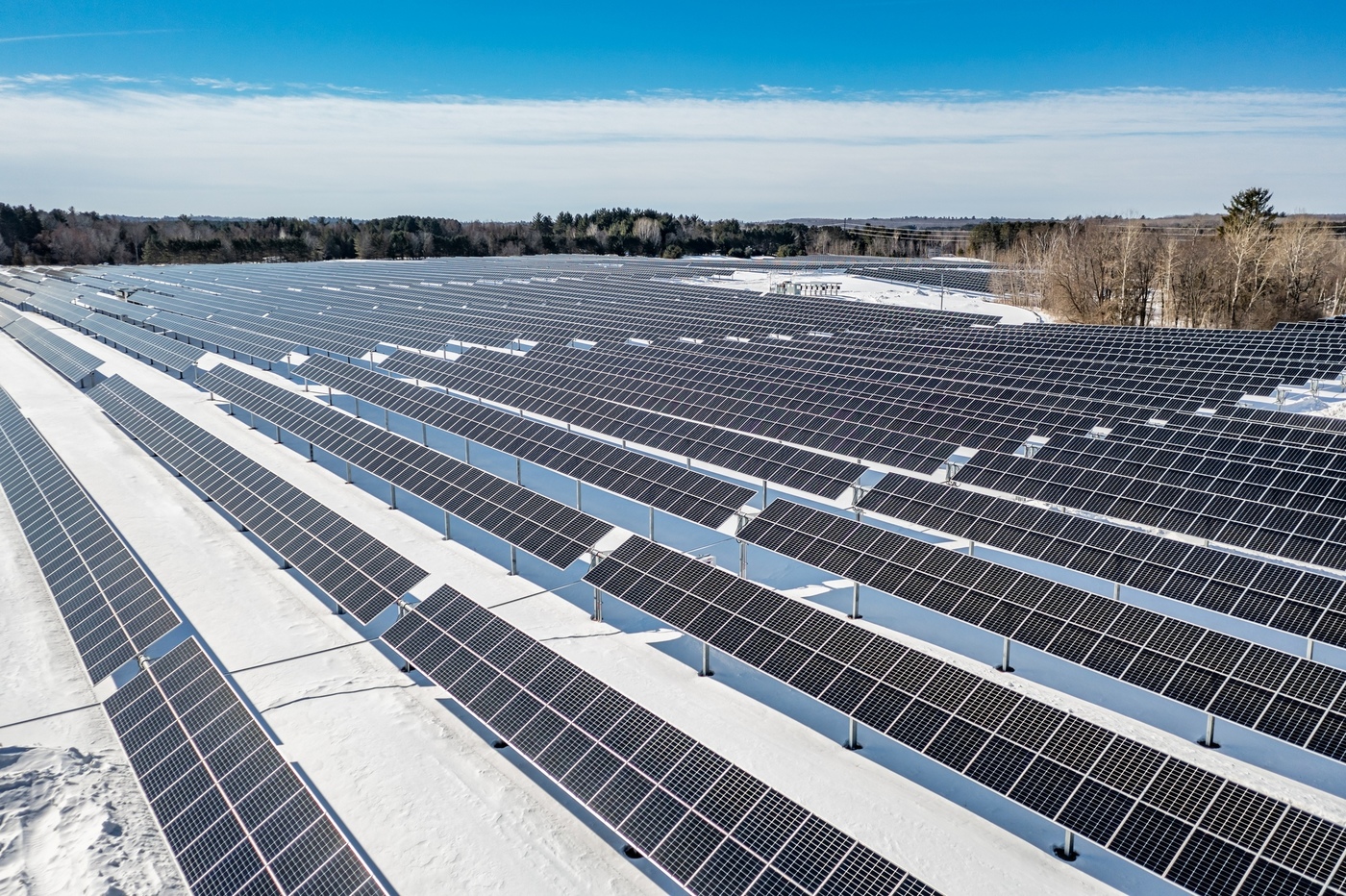
The project will be 6 megawatts (MW) in size and will occupy about 28 acres. Every year the project will produce approximately 12,600,000 kilowatt hours (kWh), enough electricity to power 1,600 average Wisconsin homes, or power more than 50 homes per acre. The project will interconnect to the existing electric distribution lines that run along County Highway I and provide electricity to homes in the immediate area.
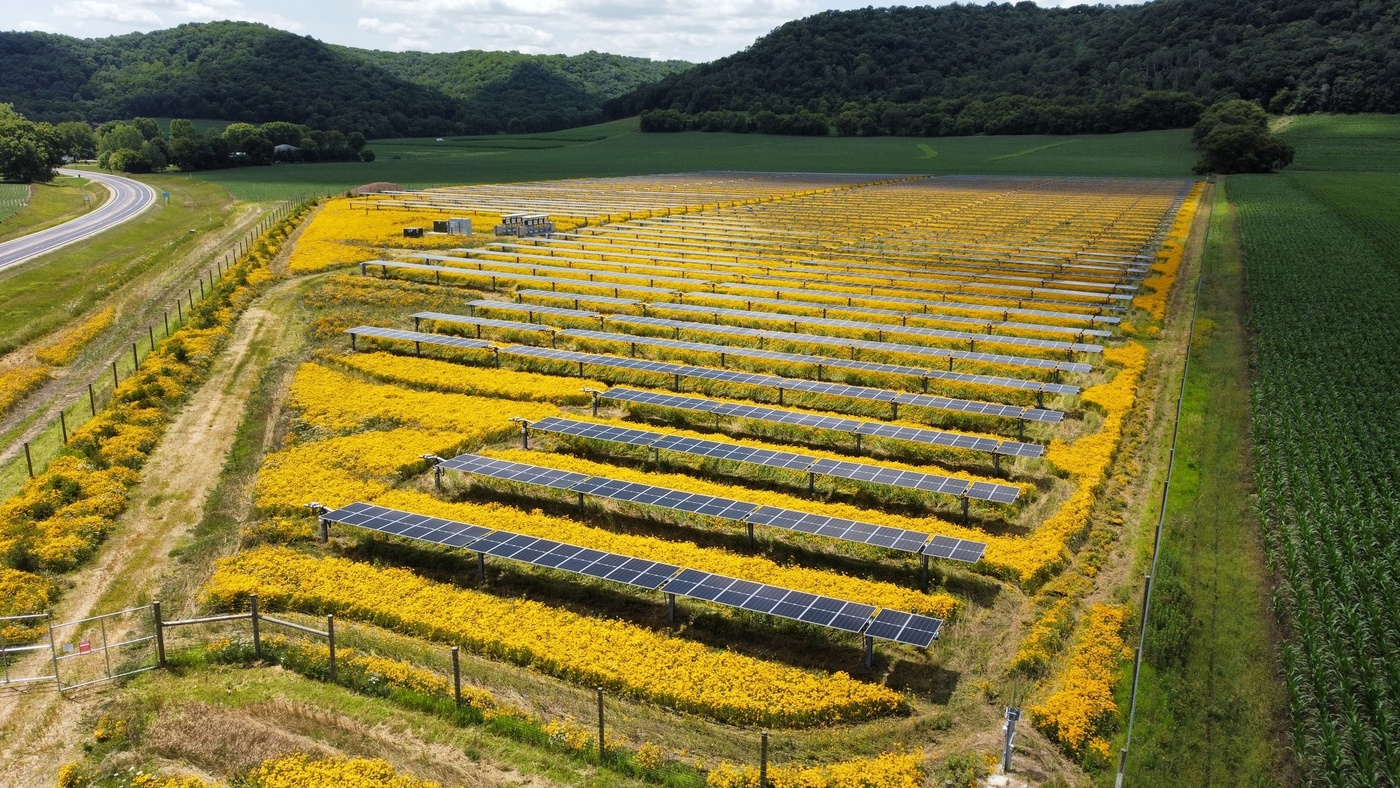
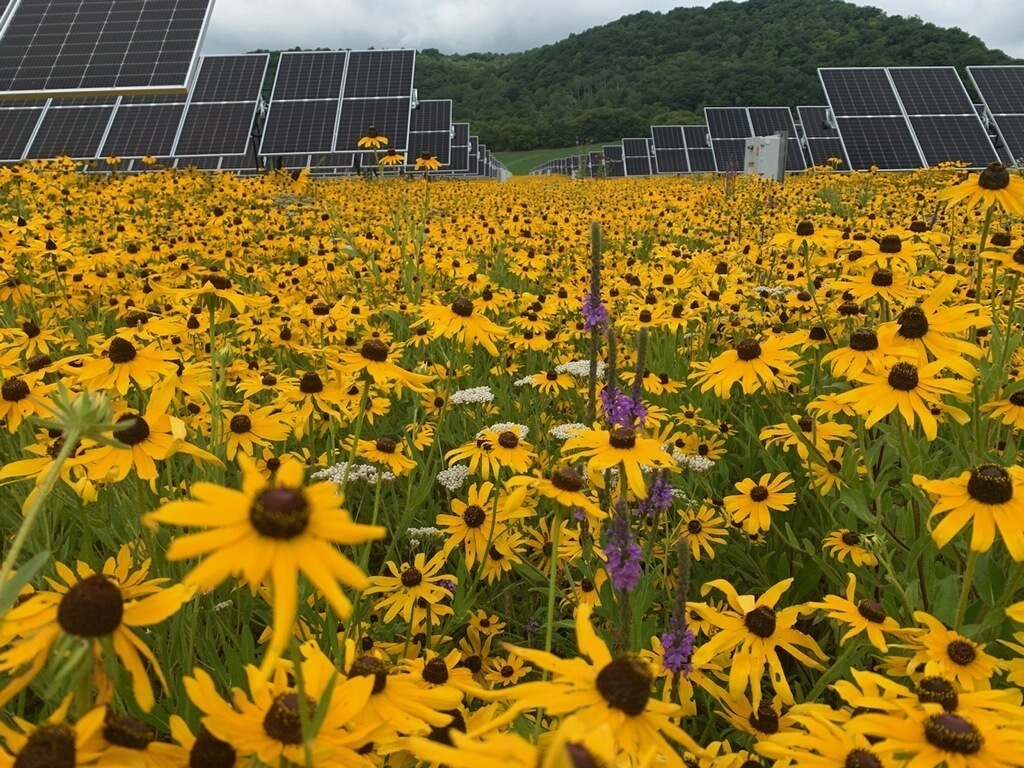
The area beneath and around the panels will be planted to a low-growing perennial pollinator mix featuring native plants, flowers, grasses, and forbs across the entirety of the project, providing habitat for bees, butterflies, insects, birds, and other small wildlife. The project area will be fenced within an 8’ tall deer-exclusion style fence, similar to what one might find around an orchard.
When the Project is decommissioned, all infrastructure will be removed and the site restored to pre-development conditions for continued agricultural use with rested and restored soils, per our lease with the landowner and the decommissioning plan submitted to the Town of Mukwonago.
Conditional Use Permit & Zoning
The Spring Lake Solar Project is located on land zoned for agricultural use. In order to be approved for construction, the project will receive a Conditional Use Permit (CUP) from the Town of Mukwonago.
This permit will allow the Spring Lake Solar project to be a "conditional use" of the land, given that the project follows the conditions imposed on it by the Town in the final CUP.
The zoning will remain agricultural for the lifetime of the project, since the change in land use is only temporary and only applies to this specific project. At the end of the project's useful life, the conditional use will no longer be needed and the land can be returned to agricultural use upon decommissioning of the project.
Land & Agriculture
The Spring Lake Solar Project will be located on private land that is currently used for agriculture. The project will be planted with a pollinator prairie mix that includes a variety of native grasses, flowers, and forbs and designed in coordination with the Wisconsin DNR to offer maximum benefit to birds and pollinators.
With this land cover conversion, no tillage or soil disturbance will be required once the plantings are established. As a result, the deep roots of these prairie plants will help build soil structure, increase organic matter and water retention.
Public Benefit Corporation
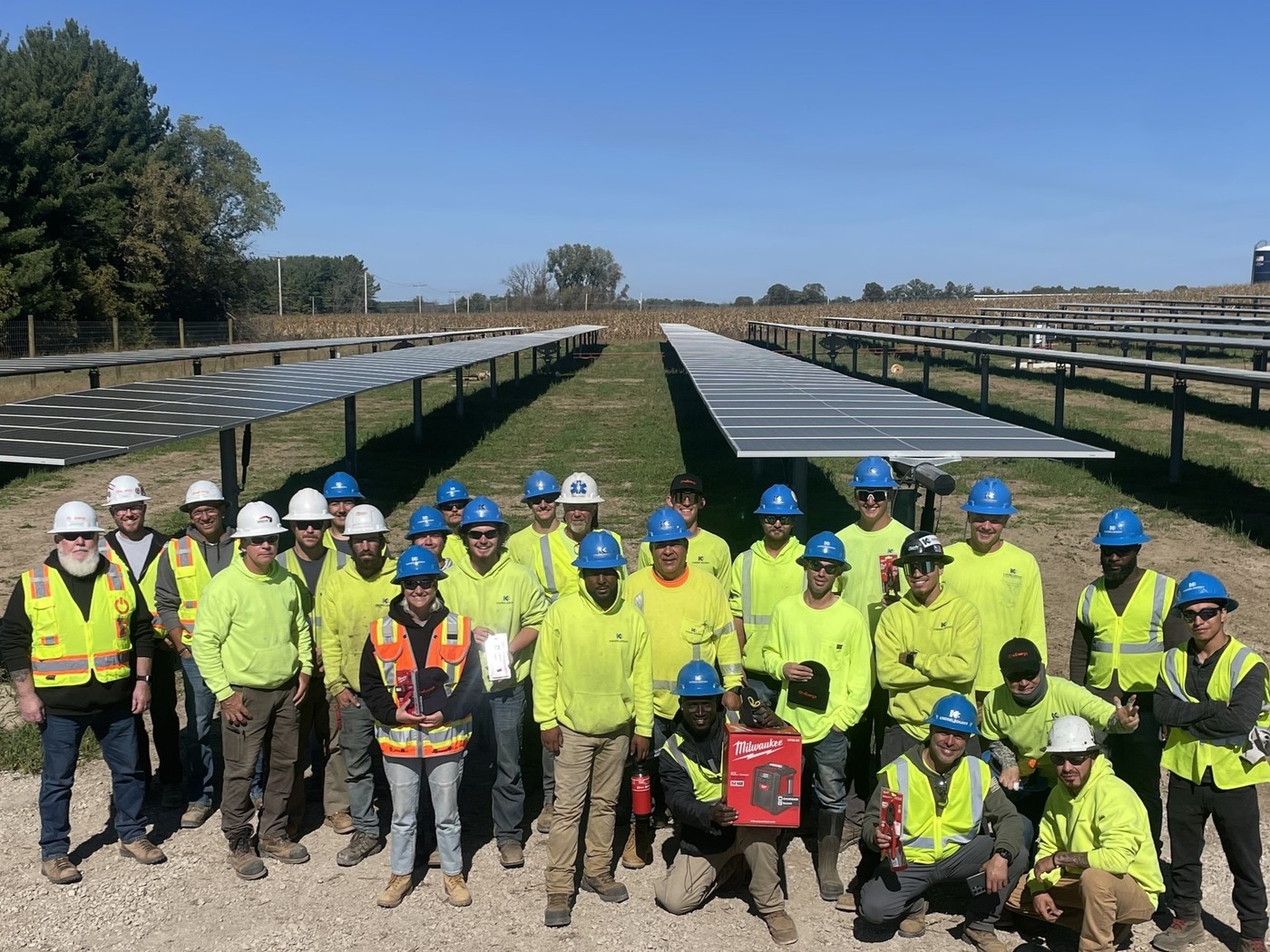
OneEnergy is a registered Public Benefit Corporation; we operate in a sustainable and responsible manner throughout the entire project lifespan. Our developers, engineers, and construction teams value the impact our projects have in the community and have earned the reputation of being good neighbors.
OneEnergy is proud to work with local Wisconsin union contractors to construct our projects. Solar installer is a family-supporting job. Wisconsin companies we have worked with in the past include Westphal & Co. (based in Madison), Pieper Power (based in New Berlin), and Arch Electric (based in Plymouth).
Spring Lake Solar, like all of OneEnergy's solar projects, will operate quietly, produce no pollution, have no impact on traffic, emit no odor, will not create glare, and will be free of harmful chemicals or toxins. Solar Projects are unmanned, secure facilities that require a few visits for mechanical and vegetation maintenance per year.
Wildlife
An Endangered Resources/Species review was conducted with the Wisconsin Department of Natural Resources (DNR) on the project site and no impacts are expected given the project’s location and the habitat currently available in the panel areas, which are currently farmed for row crops.
Spring Lake Solar will consult with the Wisconsin DNR to ensure that the site offers the maximum potential benefit to wildlife and threatened and endangered species and creates the best possible habitat during project operations, including the Project's seed mix, vegetation management plan, fence details, and other project components and operations.
Community Benefits
In Wisconsin, solar farms pay annually into a utility aid fund which is shared with the local goverments where the solar farm is located. Under the revenue sharing formula currently in place, the Spring Lake Solar project will contribute $13,000 to the Town of Mukwonago and $17,000 to Waukesha County every year through utility aid payments as required by the State of Wisconsin.
Wetlands, Stormwater, and Best Management Practices
A Level 2 on-site wetland delineation survey was conducted on the project area, and confirmed that no wetlands are present on site.
To protect water quality during both construction and operation of the Project, Spring Lake Solar will design the project to comply with all relevant and applicable standards and regulations for stormwater management, including those of the Wisconsin Department of Natural Resources (WDNR). Spring Lake Solar plans to accomplish this compliance through employment of temporary and permanent Best Management Practices.
Best Management Practices include:
Preserving the existing vegetation.
Designing the project to be compatible with the existing topography, soils, and vegetation.
Scheduling grading and construction to minimize soil exposure.
Inspecting and maintaining control measures during construction.
Minimizing concentrated flows and diverting runoff away from exposed areas.
Minimizing slope grade and length.
Keeping runoff velocities low by using channel linings or temporary structures in drainage channels.
Preparing drainageways and outlets to handle concentrated or increased runoff.
Using flagged poles or stakes to mark storm drains, catch basins, curb inlets, and other BMPs.
Vegetating and mulching disturbed areas.
Restoration, Reclamation, and Revegetation
At the end of the project’s life, Spring Lake Solar will be fully decommissioned and removed from the property, restoring the land to pre-construction, farmable condition.